
Stucco Cracks in Las Vegas: Cosmetic or Structural?

By Milan Chatterjee | Founding Attorney, Milan Legal
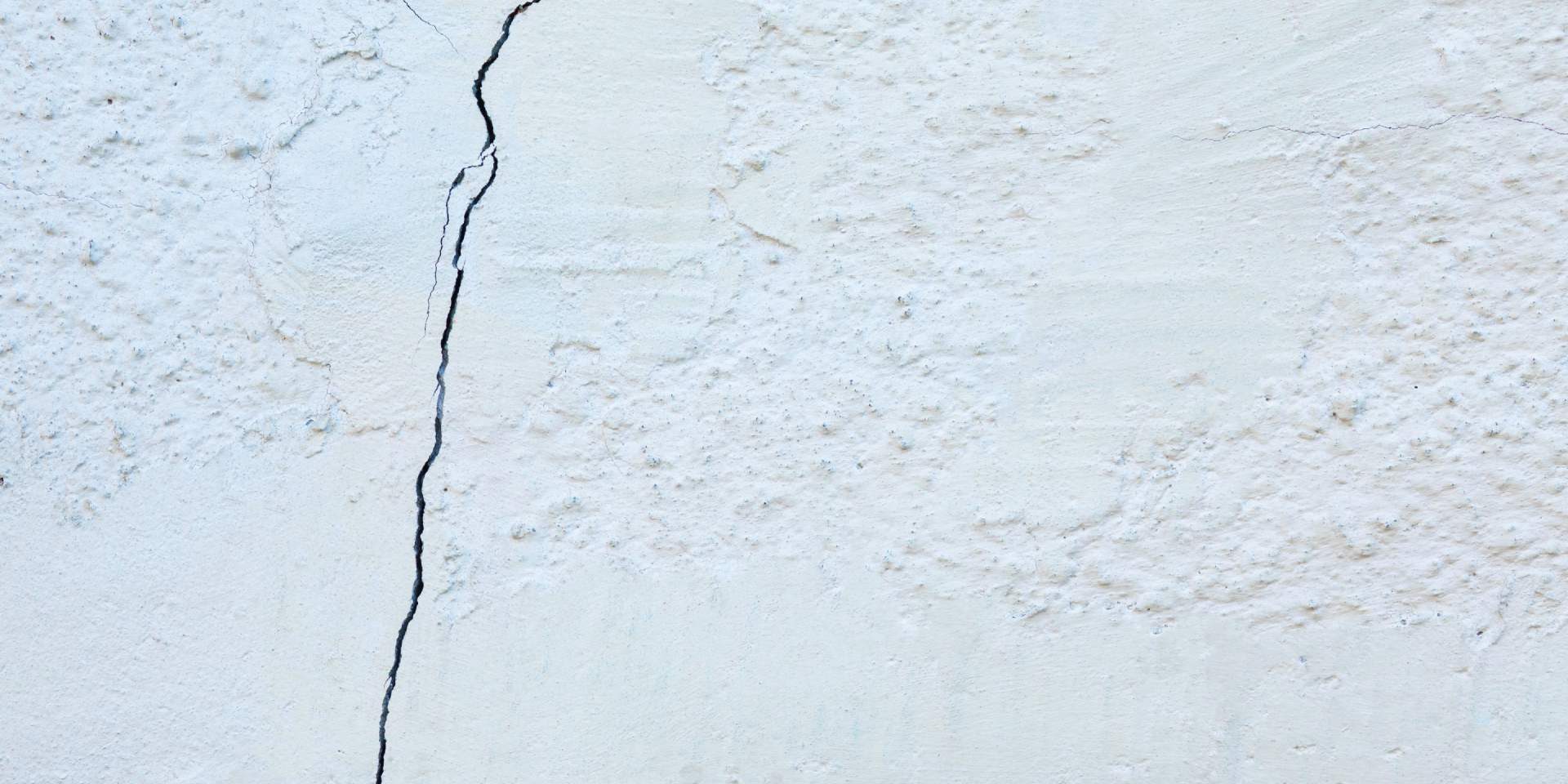
Finding cracks in the stucco of a new home can be alarming. A small hairline crack may be nothing more than normal movement or curing. But larger, recurring, or strategically located cracks can sometimes signal a more serious problem involving the stucco system, moisture management, installation, framing, or other components of the building envelope.
For homeowners in Las Vegas, the question is particularly important. Desert conditions expose exterior building materials to intense heat, temperature fluctuations, wind, and limited moisture. These conditions can contribute to movement and cracking, but not every stucco crack should automatically be dismissed as cosmetic.
If you are dealing with a potential construction defect, our Construction Defect Litigation practice page provides a broader overview of how Nevada construction defect claims can be evaluated and pursued.
The challenge for a homeowner is determining whether the cracking is ordinary cosmetic movement or evidence of defective construction. That distinction generally requires looking beyond the appearance of the crack itself.
Why Do Stucco Cracks Appear on New Las Vegas Homes?
Stucco is a cement-based exterior finish that can crack for several reasons. Some cracking can occur as materials cure, dry, expand, contract, or respond to normal environmental movement.
Las Vegas homes are exposed to substantial temperature changes. Exterior surfaces can heat significantly during the day and cool after sunset. Over time, repeated expansion and contraction can place stress on exterior finishes.
Other potential causes include:
- Normal shrinkage during curing
- Thermal movement
- Settlement
- Building movement
- Improper installation
- Inadequate control joints
- Poor substrate preparation
- Improper flashing
- Drainage problems
- Moisture intrusion
- Defective materials
- Movement around windows and doors
The presence of a crack alone does not establish that a builder committed a construction defect.
However, the location, size, pattern, recurrence, and associated damage can provide important clues about what may be happening behind the surface.
When Is a Stucco Crack Probably Cosmetic?
Some stucco cracking can be relatively minor.
Fine, isolated hairline cracks may occur because of curing, thermal movement, or other ordinary changes in the exterior finish.
A crack may be less concerning when it:
- Is very narrow and superficial.
- Appears isolated.
- Does not continue growing.
- Is not associated with water intrusion.
- Does not correspond with movement in doors or windows.
- Does not appear alongside structural distress.
- Does not repeatedly return after repair.
Even then, a homeowner should avoid making a definitive determination based solely on appearance.
A crack that initially looks minor may change over time. Likewise, a superficial-looking crack can sometimes be associated with a larger moisture-management or installation problem.
This is why documenting the crack and monitoring changes can be useful.
Which Stucco Cracks May Be More Concerning?
Certain cracking patterns deserve closer attention.
For example, homeowners may want professional evaluation when cracks are:
- Wide or progressively widening.
- Long and continuous.
- Reappearing after repair.
- Concentrated around windows or doors.
- Accompanied by bulging or separation.
- Associated with staining or discoloration.
- Accompanied by soft or deteriorated materials.
- Found alongside interior water damage.
- Appearing with cracks in other building materials.
The pattern matters because cracking can sometimes reflect movement or stress elsewhere in the wall assembly.
For example, cracks around openings may deserve particular attention because windows and doors involve transitions between different components of the building envelope.
However, homeowners should not attempt to diagnose the structural cause from photographs alone.
A qualified building inspector, engineer, or other appropriate construction professional may need to inspect the property.
Can Stucco Cracks Cause Water Intrusion?
They can create an opportunity for moisture to enter the wall system, depending on the type of stucco assembly, the location of the crack, and the condition of the underlying water-management components.
The exterior stucco surface is only one part of a building envelope.
Behind it may be components responsible for managing water, directing it away from the structure, and protecting underlying materials.
Potential problems involving flashing, drainage, weather-resistant barriers, windows, doors, or other transitions can therefore be more significant than the visible crack itself.
Signs that moisture may be involved include:
- Interior staining
- Dampness
- Bubbling or damaged paint
- Musty odors
- Deteriorated drywall
- Staining around windows
- Damaged trim
- Discoloration of exterior materials
- Recurring cracking after repairs
A homeowner who sees both stucco cracking and evidence of water intrusion should consider having the entire affected area evaluated rather than simply filling and repainting the crack.
Concerned About Stucco Cracks in Your New Las Vegas Home?
If stucco cracks are accompanied by water intrusion, recurring damage, or other building problems, the issue may require more than cosmetic repair. Early evaluation can help preserve evidence and determine whether a construction defect may be involved.
Are Stucco Problems Covered by Nevada Construction Defect Law?
Potentially.
Nevada’s construction defect statutes define a “constructional defect” in NRS 40.615 to include certain defects in the design, construction, manufacture, repair, or landscaping of a new residence, an alteration or addition to an existing residence, or an appurtenance.
The statute generally addresses defects that present an unreasonable risk of injury to a person or property or defects that are not completed in a good and workmanlike manner and proximately cause physical damage to the residence, an appurtenance, or the real property.
That means a stucco problem does not become a legal construction defect merely because a crack exists.
The homeowner may need to establish facts concerning the condition, its cause, the manner in which the work was performed, and any resulting physical damage.
A recurring stucco failure associated with defective installation or moisture intrusion may therefore require a substantially different analysis from a single superficial hairline crack.
What Should You Do When You Find Cracks in a New Home?
The first step should generally be documentation.
Take clear photographs of:
- The entire wall.
- The crack from several distances.
- Close-up images.
- Nearby windows and doors.
- Any staining or discoloration.
- Interior damage corresponding to the exterior area.
- Repairs that have already been attempted.
Consider placing a ruler or other size reference next to the crack when photographing it.
Also record:
- When you first noticed the crack.
- Whether it has changed.
- Whether it appeared after a particular weather event.
- Whether the builder has previously repaired it.
- What the builder said about the cause.
- Whether similar cracks exist elsewhere.
Preserve emails, text messages, inspection reports, warranty documents, repair records, and communications with the builder.
This documentation can become important if the problem develops into a construction defect dispute.
Should You Simply Ask the Builder to Repair the Crack?
You can notify the builder, but homeowners should be careful about treating a repair as proof that the underlying issue has been resolved.
A builder may reasonably determine that a particular crack is cosmetic and offer to repair it.
That may be appropriate in some situations.
But if cracking repeatedly returns, spreads, or appears alongside moisture or other damage, the homeowner may need to determine why the crack is occurring rather than simply repairing the visible surface.
A cosmetic patch may temporarily improve the appearance without addressing an underlying installation or moisture problem.
For this reason, homeowners should preserve photographs and records of the original condition before repairs are performed.
Nevada’s construction defect framework also establishes specific procedures concerning notice, inspection, and opportunities to repair certain constructional defects.
What Does Nevada’s Construction Defect Notice Process Require?
If the issue potentially qualifies as a constructional defect under Nevada law, the homeowner may need to follow the procedures in NRS Chapter 40 before commencing certain claims.
NRS 40.645 generally requires a claimant to provide written notice by certified mail before commencing an action or adding a construction defect cause of action against a contractor, subcontractor, supplier, or design professional, subject to statutory exceptions. The notice must describe the defects and, where known, the cause and resulting damage.
After notice, the claimant generally must allow an inspection and a reasonable opportunity to repair the alleged defect before commencing the action.
This is another reason not to wait until a problem becomes severe before investigating it.
A homeowner may need time to document the condition, obtain professional evaluations, provide appropriate notice, and complete the statutory process.
Why You Should Not Judge Stucco Problems by Appearance Alone
A stucco crack is a visible symptom, not necessarily the underlying problem.
For example, the visible crack could potentially be related to:
Surface finish → substrate → framing movement → moisture management → flashing/drainage → interior damage
The crack itself may therefore be only one part of a larger building-envelope problem.
A qualified professional may need to determine whether the wall assembly was properly designed and installed and whether moisture is entering or becoming trapped behind the exterior finish.
This distinction is particularly important when dealing with a relatively new home.
A homeowner may reasonably expect newly constructed work to comply with applicable construction requirements and to be completed in a good and workmanlike manner.
Protect Your New Home
If stucco cracking keeps returning after repairs, or if you are seeing water damage or other symptoms, consider documenting the condition before additional work is performed.
What Evidence Can Help Establish a Stucco Construction Defect?
Construction defect claims can depend heavily on evidence.
Useful evidence may include:
- Pre-purchase inspection reports
- Builder inspection records
- Photographs from the time of purchase
- Warranty documents
- Construction contracts
- Emails with the builder
- Text messages
- Repair invoices
- Contractor reports
- Engineer or building-envelope evaluations
- Moisture testing
- Photographs showing progression
- Permit and construction records
If the builder has already repaired the stucco, document the original condition and keep records of what work was performed.
Repeated repairs can sometimes become particularly relevant if the same cracking returns.
A timeline showing:
Original crack → Builder notified → Repair performed → Crack returns → Additional damage appears
can provide useful evidence about the history of the problem.
When Should You Consider a Professional Inspection?
Professional evaluation becomes particularly important when the cracking is:
- Widespread.
- Recurrent.
- Progressively worsening.
- Accompanied by moisture.
- Associated with interior damage.
- Located around windows or doors.
- Associated with movement or separation.
- Accompanied by other construction problems.
The appropriate professional depends on the suspected issue.
A qualified building inspector may identify conditions requiring further evaluation, while an engineer or building-envelope specialist may be appropriate when the issue involves structural movement or moisture-management components.
The purpose is not simply to obtain a report saying “there are cracks.”
The more useful question is:
What caused the cracking, and has the condition resulted in physical damage or an unreasonable risk to the property?
What If the Builder Says the Cracks Are Normal?
Builders sometimes characterize stucco cracking as normal settlement, shrinkage, or thermal movement.
That explanation may be accurate in some cases.
But a homeowner does not have to accept a conclusion without understanding the basis for it.
Ask the builder to explain:
- What caused the crack?
- Is the condition consistent with normal construction?
- What repair is being recommended?
- Will the repair address the cause?
- Is there evidence of moisture intrusion?
- Has the surrounding area been inspected?
- Is the same cracking occurring elsewhere?
If the problem is recurring or accompanied by other damage, an independent evaluation may be appropriate.
A second opinion can be particularly useful before extensive repairs alter the evidence.
What If the Stucco Problem Is Covered by a Builder’s Warranty?
Review the warranty carefully.
A builder’s warranty may establish procedures for reporting and repairing certain defects.
Nevada law also addresses builder warranties within its construction defect framework. NRS 40.650 provides that when a residence or appurtenance is covered by a builder’s warranty, a claimant must diligently pursue a claim under that warranty.
This makes it important to understand both the warranty terms and the applicable statutory procedures.
Do not assume that making a warranty request automatically preserves every possible legal claim indefinitely.
The timing and documentation of the warranty claim can matter.
What If the Stucco Cracks Are More Than Cosmetic?
If an investigation indicates that the stucco cracking is associated with defective construction, moisture intrusion, structural movement, or other physical damage, the issue may potentially fall within Nevada’s construction defect framework.
At that point, the homeowner may need to evaluate:
- The identity of the responsible contractor.
- Whether subcontractors or other professionals were involved.
- The cause of the defect.
- The resulting damage.
- The applicable warranty.
- The Chapter 40 notice requirements.
- The relevant limitation and repose periods.
- Potential repair or litigation strategies.
The goal should not simply be to determine whether the crack “looks bad.”
The more important question is whether there is an underlying construction problem and what legal rights may arise from it.
How a Construction Defect Attorney Can Help
A construction defect attorney can help homeowners understand the legal implications of a stucco problem without attempting to replace the role of a qualified construction expert.
Legal counsel can assist with:
- Reviewing builder contracts.
- Reviewing warranties.
- Evaluating communications with the builder.
- Identifying potentially responsible parties.
- Reviewing construction records.
- Coordinating with qualified experts.
- Evaluating potential construction defect claims.
- Navigating Nevada’s Chapter 40 procedures.
- Reviewing repair proposals.
- Negotiating with responsible parties.
- Pursuing litigation when appropriate.
For homeowners in Las Vegas, early evaluation can be particularly valuable when the property is relatively new and the homeowner is still within warranty periods or other applicable legal timelines.

Do Not Ignore Recurring Stucco Cracks
A small crack may ultimately prove to be cosmetic.
But a crack that repeatedly returns, spreads, occurs in multiple locations, or appears alongside moisture or interior damage deserves closer attention.
Document the condition before repairing it, preserve communications with the builder, review your warranty, and consider obtaining an appropriate professional inspection.
If the evidence indicates a construction defect, acting early can help preserve documentation and provide more time to evaluate Nevada’s applicable legal procedures.
Frequently Asked Questions
Some hairline stucco cracks can result from normal curing, shrinkage, thermal movement, or settlement. However, recurring, widening, extensive, or moisture-associated cracks may require professional evaluation.
The appearance of a crack alone usually cannot establish whether it is structural. Cracks that are widening, recurring, associated with movement, or accompanied by water intrusion or interior damage may warrant evaluation by a qualified construction professional.
Potentially. Nevada’s NRS Chapter 40 defines a constructional defect to include certain defects in the design or construction of a residence that present an unreasonable risk of injury to a person or property or are not completed in a good and workmanlike manner and proximately cause physical damage.
Ask the builder to explain the cause and recommended repair. Document the cracks and preserve communications. If cracking continues or is associated with other damage, consider obtaining an independent professional evaluation before extensive repairs are performed.
For constructional defect claims governed by Nevada’s Chapter 40 procedures, written notice is generally required before commencing certain actions against a contractor, subcontractor, supplier, or design professional, subject to statutory exceptions. The claimant may also need to allow inspection and a reasonable opportunity to repair.
If the situation does not involve an immediate safety concern, documenting the condition and obtaining an appropriate evaluation before substantial repairs can help preserve evidence. If immediate repairs are necessary to protect people or prevent significant damage, safety and damage mitigation should take priority.
About Milan Chatterjee
This article was prepared by Milan Chatterjee, a Nevada and California licensed attorney and founder of My Real Estate Lawyer, a real estate law practice dedicated to protecting property owners, investors, homeowners, businesses, and other clients throughout Nevada.
Milan represents clients in matters involving construction defect disputes, purchase and sale agreements, property transfers, title disputes, real estate litigation, boundary and easement disputes, landlord-tenant matters, HOA disputes, and complex real estate ownership conflicts.
He earned his Juris Doctor from UCLA School of Law and studied at New York University School of Law as a visiting student. Before entering private practice, he served as Associate Compliance Counsel at Las Vegas Sands Corporation, where he advised on corporate governance, regulatory compliance, investigations, and risk management.
Today, through My Real Estate Lawyer, Milan helps buyers, homeowners, investors, sellers, and property owners throughout Las Vegas, Reno, and Nevada navigate complex real estate disputes and protect their property rights.
Need Help With a Possible Stucco Construction Defect?
If stucco cracks are recurring, worsening, or associated with moisture or other property damage, the issue may require more than cosmetic repairs.
For a broader overview of construction defect claims and litigation in Nevada, visit the Construction Defect Litigation practice page.
My Real Estate Lawyer assists property owners throughout Las Vegas, Reno, and Nevada with construction defect matters and related real estate litigation.
Conclusion
Stucco cracks on a new Las Vegas home are not automatically evidence of a structural defect, but they should not automatically be dismissed as cosmetic either.
Hairline cracking can occur because of normal curing, movement, or environmental conditions. More significant or recurring cracking can potentially be associated with installation problems, moisture intrusion, building movement, or other construction deficiencies.
The key is determining what caused the crack and whether it has resulted in physical damage or another condition recognized under Nevada law.
If your new home has recurring stucco cracks, water intrusion, interior damage, or other signs of a possible construction defect, document the condition and consider obtaining professional advice before extensive repairs are performed.

Get Immediate Legal Help
Free, confidential. We respond within minutes.
Related Blogs
