
Nevada Construction Defect Claims: Legal Options for New Home Buyers

By Milan Chatterjee | Founding Attorney, Milan Legal
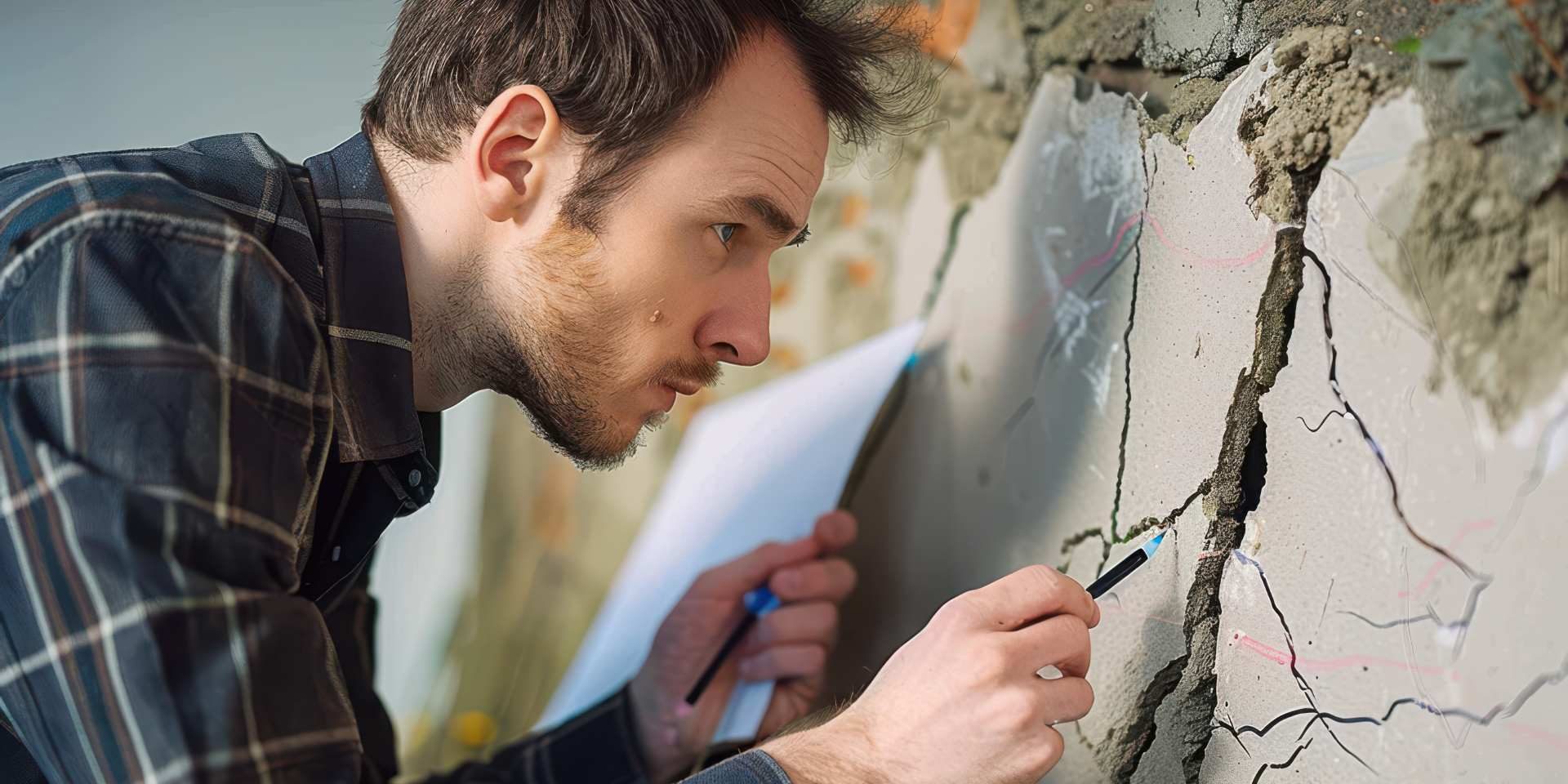
Purchasing a newly constructed home should provide peace of mind, modern amenities, and confidence that the property has been built according to applicable standards. Unfortunately, many homeowners discover significant problems only after moving into their new home. Structural issues, water intrusion, foundation movement, roofing failures, plumbing defects, electrical problems, and other construction deficiencies can result in costly repairs and significant frustration.
When defects appear shortly after purchase, homeowners often question whether the builder is responsible and what legal remedies may be available. Nevada law provides certain protections for property owners facing construction-related issues, but resolving these disputes often requires careful evaluation of contracts, warranties, inspection reports, and construction records.
Whether you purchased a new residence in Las Vegas or Reno, understanding your legal rights is an important first step toward protecting your investment.
What Is a Construction Defect?
A construction defect is generally a condition resulting from defective design, poor workmanship, substandard materials, or failure to construct a property according to applicable building standards or contractual requirements.
Not every maintenance issue qualifies as a construction defect. Homes naturally experience wear over time, and some cosmetic imperfections may not create legal claims.
Construction defects typically involve conditions that affect the safety, structural integrity, habitability, or intended use of the property.
Determining whether a problem constitutes a legal construction defect often requires technical evaluation and legal analysis.
Understand Your Legal Options for Construction Defects
Construction defects can become more expensive over time. Early legal guidance helps preserve evidence and evaluate your options before problems worsen.
Common Construction Defects Found in New Homes
Construction defect claims involve a wide range of problems that may not become apparent immediately after closing.
Common examples include:
- Foundation settlement or movement
- Structural framing deficiencies
- Roof leaks
- Water intrusion
- Improper drainage
- Plumbing leaks
- Electrical wiring defects
- HVAC installation problems
- Window and door failures
- Mold resulting from moisture intrusion
- Cracked concrete
- Defective stucco or exterior finishes
Some issues appear within weeks, while others may not become visible until months or even years after construction has been completed.
Because many defects worsen over time, prompt investigation is important.

Who May Be Responsible?
Construction defect claims may involve multiple parties rather than a single builder.
Depending on the facts, responsibility may involve:
- General contractors
- Home builders
- Subcontractors
- Architects
- Engineers
- Material suppliers
- Developers
- Design professionals
Determining who bears legal responsibility often requires reviewing construction contracts, project documentation, inspection reports, and expert evaluations.
Because construction projects involve many participants, identifying the proper parties early helps avoid unnecessary delays.
Protect Your Investment
Defective construction can affect your home’s value, safety, and future resale. Legal review helps identify responsible parties and preserve your legal rights.
Builder Warranties and Contractual Rights
Many newly constructed homes are sold with builder warranties that address certain defects for specified periods.
These warranties may cover workmanship, structural components, or specific building systems. However, warranty coverage varies depending on the builder and the purchase agreement.
Some warranties require homeowners to follow specific procedures before requesting repairs or pursuing legal claims.
Understanding warranty obligations is essential before making significant repairs or initiating legal action.
An attorney can review warranty documents and explain how they may affect your legal options.
What Should Homeowners Do After Discovering Defects?
Homeowners who discover construction defects should act promptly.
Important steps often include documenting the condition through photographs and videos, preserving inspection reports, obtaining repair estimates, maintaining communications with the builder, and keeping records of all expenses.
Avoid making major repairs before the condition has been properly documented whenever possible.
Because legal deadlines may apply, seeking legal guidance early helps ensure that important evidence is preserved.
Resolving Construction Defect Disputes
Not every construction defect claim results in litigation.
Many disputes are resolved through direct negotiations between homeowners and builders. Others proceed through mediation, arbitration, or settlement discussions before court proceedings become necessary.
When informal resolution is unsuccessful, litigation may be required to determine liability and recover damages.
Construction defect cases frequently involve engineering reports, expert testimony, building plans, inspection records, and detailed project documentation.
Experienced legal representation helps coordinate these issues while protecting the homeowner’s interests throughout the dispute.
How a Nevada Real Estate Attorney Can Help
Construction defect claims often combine elements of contract law, construction law, real estate law, and civil litigation.
A Nevada real estate attorney can assist by:
- Reviewing purchase agreements
- Evaluating builder warranties
- Investigating construction records
- Coordinating expert inspections
- Negotiating with builders
- Preserving legal claims
- Pursuing litigation when necessary
- Protecting homeowner rights
Whether the defects involve a newly constructed residence, luxury home, condominium, or investment property, experienced legal counsel can help homeowners understand their available legal remedies.

Preventing Construction Defect Problems
Although not every defect can be prevented, buyers can reduce future risks by carefully reviewing builder contracts, obtaining independent inspections when appropriate, documenting walkthroughs, maintaining warranty records, and addressing construction concerns immediately after discovery.
Understanding contractual rights before closing also helps buyers make informed decisions during the transaction.
Proactive planning often reduces future legal disputes and unexpected repair costs.
Frequently Asked Questions
A construction defect is generally a problem resulting from defective design, poor workmanship, substandard materials, or failure to meet applicable construction standards.
Common defects include foundation issues, roof leaks, water intrusion, plumbing failures, electrical defects, HVAC problems, and structural deficiencies.
Depending on the facts, homeowners may have legal remedies relating to defective construction, breach of contract, warranty claims, or other legal issues.
Homeowners should document the condition before making significant repairs whenever possible and seek legal guidance regarding preservation of evidence.
Not necessarily. Warranty coverage depends on the specific terms of the builder’s warranty and applicable law.
Yes. An experienced attorney can evaluate your legal rights, review contracts and warranties, and help determine the most appropriate course of action.
About Milan Chatterjee
This article was prepared by Milan Chatterjee, a Nevada and California licensed attorney and founder of My Real Estate Lawyer, a real estate law practice dedicated to protecting property owners, investors, landlords, homeowners, businesses, and community associations throughout Nevada.
Milan represents clients in matters involving real estate litigation, construction defect claims, purchase and sale disputes, commercial and residential transactions, landlord-tenant disputes, HOA matters, quiet title actions, easement disputes, boundary disputes, deed transfers, foreclosure litigation, title issues, and property ownership conflicts.
He earned his Juris Doctor from UCLA School of Law and studied at New York University School of Law as a visiting student. Before entering private practice, he served as Associate Compliance Counsel at Las Vegas Sands Corporation, where he advised on corporate governance, regulatory compliance, investigations, and risk management.
Today, through My Real Estate Lawyer, Milan helps clients throughout Las Vegas, Reno, and Nevada protect their property rights, resolve complex real estate disputes, and navigate construction-related legal matters with confidence.
Protect Your Rights After Discovering Construction Defects
If you purchased a newly constructed home and discovered serious defects, our Nevada real estate attorneys can evaluate your legal options, review builder contracts and warranties, and help protect your investment in Las Vegas and Reno.
Conclusion
Construction defects can significantly affect the safety, value, and enjoyment of a newly purchased home. While many builders work to resolve legitimate concerns, some disputes require legal intervention to protect homeowners’ rights and secure appropriate remedies.
Whether the issue involves structural damage, water intrusion, defective workmanship, plumbing failures, electrical problems, or warranty disputes, early legal evaluation can help determine the best course of action.
If you purchased a newly built home in Las Vegas or Reno and believe construction defects have affected your property, consulting with an experienced Nevada real estate attorney can help you understand your legal options and protect your investment.

Get Immediate Legal Help
Free, confidential. We respond within minutes.
Related Blogs
