
Water Intrusion: Why the Damage You See Is the Smallest Part

By Milan Chatterjee | Founding Attorney, Milan Legal
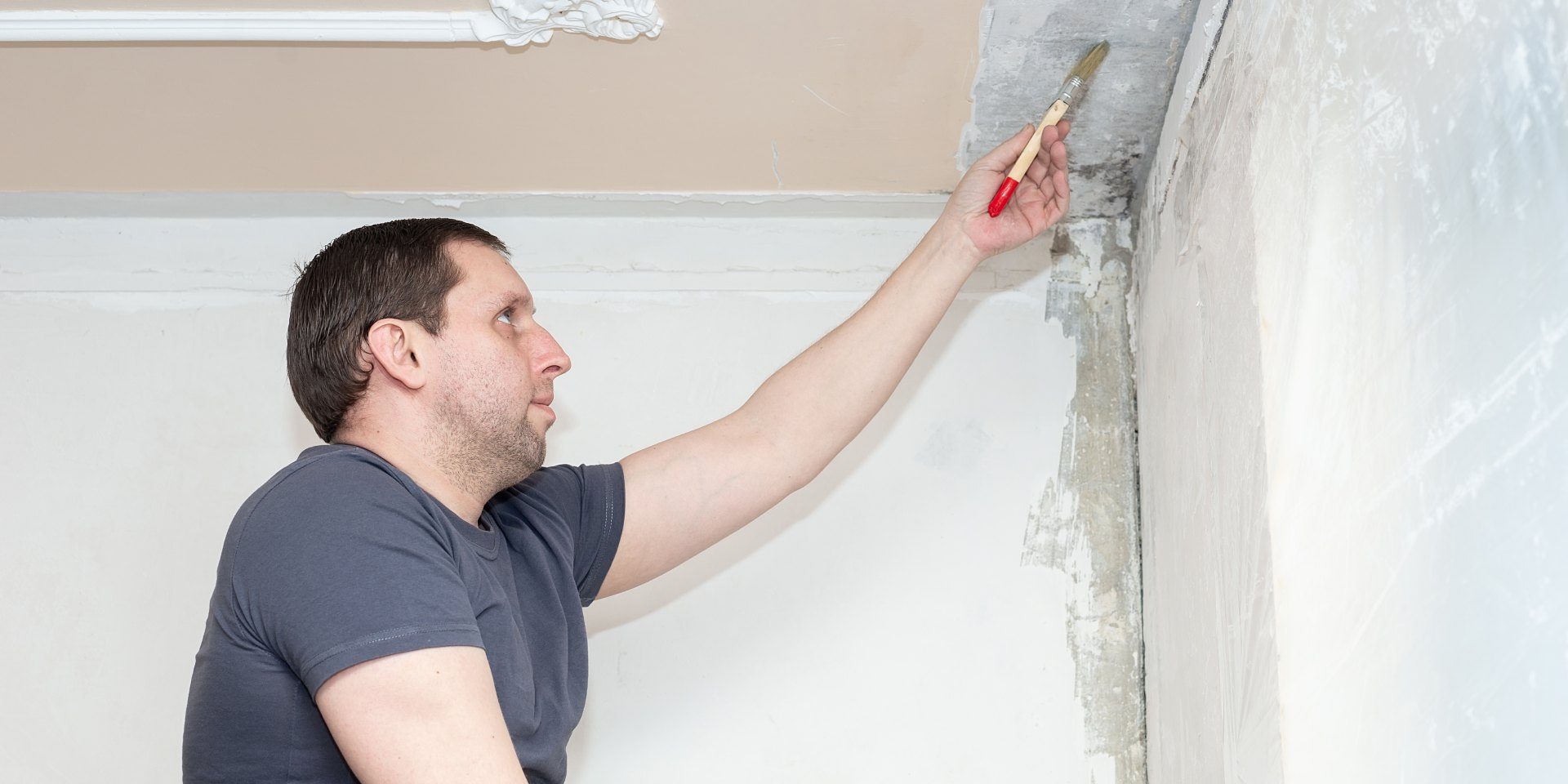
A water stain on a ceiling or a damp spot near a window can look like a relatively small repair. In a newly constructed Nevada home, however, visible water damage may be only the part of the problem that has finally become noticeable. Moisture can travel behind walls, through insulation, around windows, beneath flooring, or into other building components before anyone sees the first stain.
That is why homeowners dealing with water damage in new construction in Nevada should not focus only on repairing the visible damage. The more important question is often where the water came from, how long it has been entering, and what else it has affected. Our Construction Defect Litigation page provides a broader overview of how Nevada construction-defect disputes can be evaluated.
A recurring leak can potentially indicate a problem with the building envelope, roofing, windows, flashing, stucco, drainage, plumbing, or another component. And when the property is new, determining whether the water intrusion resulted from defective design, materials, installation, or another cause can become especially important.
A Water Stain Is a Symptom, Not a Diagnosis
One of the biggest mistakes homeowners make is treating the visible damage as the entire problem.
Imagine a dark stain appearing around a second-floor window.
The homeowner wipes it down, paints over the area, and assumes the issue is resolved.
Then the stain returns.
That may be because water is entering somewhere outside the visible area and traveling through the structure before reaching the location where it becomes noticeable.
Water does not necessarily travel in a straight line.
It can move along framing, insulation, sheathing, flashing, or other pathways. By the time the homeowner sees the damage, moisture may have already affected materials that are not visible.
The stain is therefore often the evidence of a water pathway, not the source of the problem.
Why New Construction Water Damage Deserves Special Attention
A new home is supposed to be constructed using appropriate plans, materials, and installation practices.
That does not mean every leak in a new home is automatically a construction defect.
Plumbing can fail.
Storms can expose vulnerabilities.
Homeowners can accidentally create drainage problems.
Maintenance issues can develop.
But persistent water intrusion shortly after construction can justify asking whether something was improperly designed or installed.
Potential construction-related causes can include:
- Improper window installation.
- Defective flashing.
- Roofing installation problems.
- Stucco or exterior cladding failures.
- Improper waterproofing.
- Drainage deficiencies.
- Building-envelope problems.
- Improperly sealed penetrations.
- Defective plumbing installation.
The cause needs to be investigated rather than assumed.
Water Can Travel Far Beyond the Point of Entry
This is one of the most important concepts for homeowners to understand.
The place where you see water is not necessarily the place where water entered the building.
For example, water entering around an exterior window may travel downward before appearing inside a wall.
A roof leak can travel along framing before creating a ceiling stain several feet away from the original entry point.
Moisture entering behind stucco can potentially affect sheathing, framing, insulation, or other concealed materials.
This creates a diagnostic problem.
If someone repairs only the visible location without finding the entry point, the underlying problem can remain.
The result may be a cycle of:
Leak → cosmetic repair → temporary improvement → leak returns.
That pattern is a warning that the underlying cause may not have been addressed.
Is Your Water Damage More Than a Simple Leak?
Hidden Moisture Can Be More Serious Than Visible Damage
Visible drywall damage is often relatively easy to identify.
Hidden moisture is different.
Moisture can remain behind walls or other building components without producing an obvious symptom for some time.
Depending on the circumstances, prolonged moisture can affect:
- Wood framing.
- Sheathing.
- Insulation.
- Drywall.
- Flooring.
- Cabinets.
- Electrical components.
- Exterior wall assemblies.
- Other concealed materials.
The longer moisture remains present, the more complicated the repair can become.
That is why a homeowner should be cautious about assuming that a small visible stain represents a small repair.
Look for Patterns, Not Just Individual Leaks
One leak may be isolated.
Several leaks in similar locations can tell a different story.
Suppose multiple windows throughout a new development develop water intrusion during rain.
That pattern may raise questions about the window installation or the surrounding building envelope.
Similarly, if several units experience similar stucco-related water intrusion, the issue may not be unique to one homeowner.
Patterns can help an expert determine whether the problem is systemic.
For an HOA, this can be especially important because recurring water intrusion throughout common elements or multiple buildings may require a broader investigation rather than individual repairs.
Stucco and Building-Envelope Problems Can Be Difficult to See
Stucco can create a particularly challenging situation.
A homeowner may see cracking or discoloration on the exterior and assume it is merely cosmetic.
But exterior cladding is part of a larger building-envelope system.
Water management can involve the interaction between stucco, flashing, windows, doors, sealants, drainage paths, weather barriers, and other components.
If water gets behind the exterior assembly, the visible crack may not tell you what is happening underneath.
That is why repeated stucco-related water intrusion should not automatically be treated as a simple patch-and-paint project.
Windows Are a Common Place to Investigate
Windows contain multiple joints and transitions where water management matters.
Problems can involve installation, flashing, sealants, surrounding materials, or the interface between the window and the wall assembly.
If water appears around a window, the source may be:
- The window itself.
- The flashing.
- The surrounding wall.
- The roof or upper-level area.
- Another nearby building component.
An expert may need to inspect the entire assembly rather than looking only at the interior stain.
Roof Leaks Can Create Misleading Damage
Roof leaks can be equally deceptive.
A ceiling stain might appear in a bedroom, while the actual entry point is somewhere else on the roof.
Water can move along framing and other components before reaching the ceiling.
That means repairing the ceiling does not necessarily repair the roof problem.
If the same stain returns after a repair, the homeowner should consider whether the original source was actually identified.
Documenting the location and progression of the damage can help an expert investigate the pathway.
Do Not Ignore Musty Odors or Repeated Dampness
Not every musty smell means mold or serious structural damage.
But a persistent odor combined with recurring moisture deserves attention.
The same is true if a wall, floor, cabinet, or other material repeatedly feels damp.
Homeowners sometimes become accustomed to subtle signs because they develop gradually.
If something repeatedly smells damp after rain, or a particular area consistently shows moisture, document it.
A pattern can be more informative than a single incident.
Why Painting Over the Damage Can Be a Problem
Painting over a water stain may make the room look better.
It does not necessarily solve the water intrusion.
More importantly, cosmetic repairs can make it harder to understand how the condition developed if documentation is not preserved first.
Before covering a significant water stain, photograph it.
Record when it appeared.
Note whether it followed rain, irrigation, plumbing use, or another event.
If the builder previously repaired the area, keep those records.
You want a clear history of the problem.
What Should You Document?
Start with photographs and videos.
Photograph the visible damage from close up and from farther away so the location is clear.
Keep records showing:
- When you first noticed the problem.
- When water was observed.
- Whether it followed rainfall.
- Whether the condition returned after repairs.
- What the builder or contractor said.
- What repairs were performed.
- When repairs occurred.
- Whether similar problems appeared elsewhere.
Save emails, texts, inspection reports, invoices, warranty communications, and photographs.
This information can help establish the timeline and may also help an expert identify the source.
Should You Let the Builder Inspect?
You can generally allow the builder to investigate the reported condition, particularly when warranty or statutory procedures are involved.
But understand the difference between allowing the builder to inspect and accepting the builder’s conclusion without question.
The builder may determine that the problem is maintenance-related.
You may receive an explanation that the issue is caused by normal weather exposure.
Or the builder may propose a repair.
Those conclusions should be evaluated based on the evidence.
If the problem is significant, an independent expert may be appropriate.
What If the Builder Offers a Simple Repair?
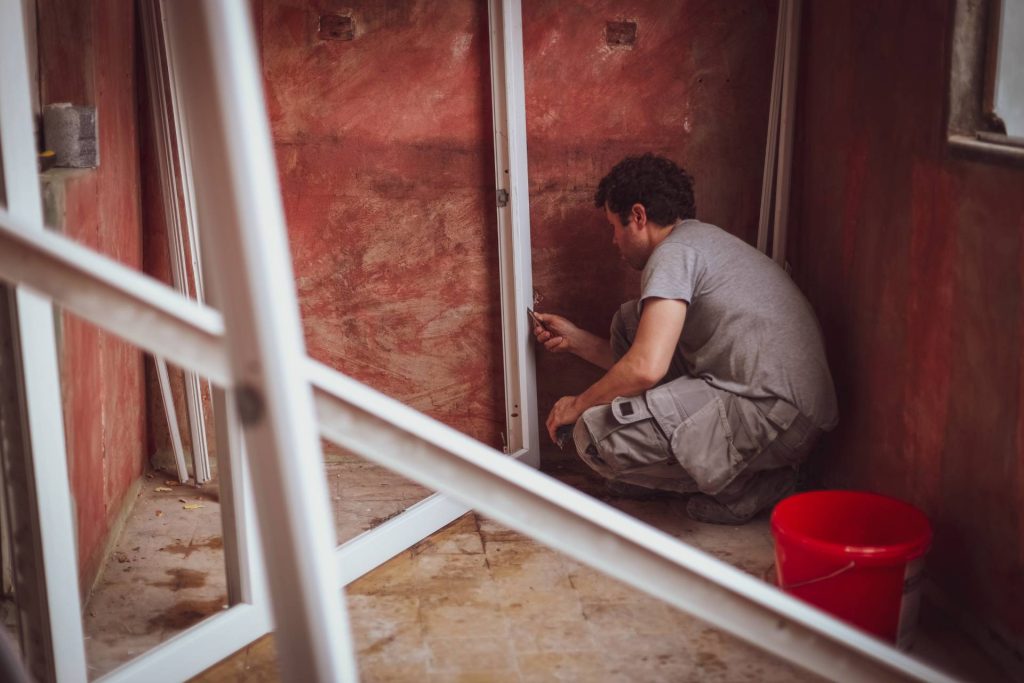
A repair offer is not necessarily a bad thing.
In fact, Nevada’s Chapter 40 construction-defect process provides contractors with an opportunity to inspect alleged defects and, in applicable circumstances, elect to repair them. Under NRS 40.647, a claimant generally must allow the contractor a reasonable opportunity to repair when the contractor elects to do so.
But homeowners should understand what is actually being repaired.
If the builder proposes to repaint a water-damaged wall, ask what caused the water.
If the proposal is to reseal a window, ask whether the surrounding flashing and wall assembly have been evaluated.
If the proposal is to patch stucco, ask whether the underlying moisture-management system has been investigated.
A cosmetic repair may not address a systemic problem.
What If the Builder Says It Is a Maintenance Issue?
That is possible.
Not every water problem is caused by construction.
For example, landscaping or irrigation changes can affect moisture around a structure.
Blocked drainage can create problems.
A plumbing leak can have nothing to do with the original construction.
The homeowner’s job is not to prove the builder is wrong before investigating.
The first step is to determine the cause.
If the evidence shows that the water intrusion resulted from defective design or construction, then the legal analysis becomes much more important.
When Can Water Intrusion Become a Construction Defect?
Nevada’s construction-defect statutes define a constructional defect to include certain defects in the design, construction, manufacture, repair, or landscaping of a residence or appurtenance that present an unreasonable risk of injury to a person or property or were not completed in a good and workmanlike manner and proximately cause physical damage.
Water intrusion can potentially fall within that framework when defective construction causes physical damage.
But the legal conclusion depends on the facts.
A leak alone does not automatically establish a construction defect.
The cause, damage, responsibility, and applicable deadlines all need to be evaluated.
Chapter 40 Can Matter Before Litigation
If the issue develops into a covered construction-defect claim, Nevada’s Chapter 40 process can become important.
Under NRS 40.645, a claimant generally must provide a written notice describing the alleged constructional defects and known resulting damage or injuries with reasonable detail before commencing the action.
The process gives the contractor an opportunity to inspect and respond.
That means homeowners should be careful about jumping immediately into major repairs or litigation without understanding the applicable procedure.
The objective is to preserve evidence while complying with the law.
Why Timing Matters
Water intrusion should not be ignored simply because the damage appears small.
The longer a leak continues, the more opportunity there may be for additional damage.
There are also legal deadlines that can affect construction-defect claims.
Nevada has statutes of limitation and repose that can apply to construction-related claims. For certain construction deficiencies, NRS 11.202 provides an outside 10-year period measured from substantial completion, subject to statutory exceptions.
The precise deadline depends on the claim and circumstances.
The important point is that homeowners should not wait until a visible water problem becomes severe before investigating their rights.
Don’t Wait to Investigate Recurring Water Damage
What an Expert Inspection Can Reveal
A qualified construction expert can approach the problem differently from a homeowner or general repair contractor.
Depending on the situation, an expert may investigate:
The entry point: Where is the water actually getting into the structure?
The pathway: How is the moisture traveling?
The extent: What materials have been affected?
The cause: Was the problem related to design, materials, installation, maintenance, or another factor?
The repair: What work is necessary to correct the underlying issue?
The cost: What is the likely scope and cost of appropriate repairs?
That information can be useful whether the eventual solution is a builder repair, negotiated settlement, or litigation.
What If You Already Repaired the Leak?
Do not assume that repairing the problem means you have no options.
But preserve whatever evidence remains.
Keep photographs from before the repair.
Keep invoices and contractor reports.
Ask the contractor to document what was discovered when the area was opened.
If damaged materials were removed, determine whether photographs or other documentation were created before disposal.
The more evidence that exists showing the original condition, the easier it may be for an expert to understand what happened.
How a Nevada Construction Defect Attorney Can Help
A construction-defect attorney can help evaluate whether water intrusion may involve a legally actionable construction defect and determine what procedures and deadlines apply.
That can include reviewing the purchase agreement, builder warranty, inspection records, repair history, photographs, expert findings, and Chapter 40 requirements.
For homeowners in Las Vegas and Reno, the investigation may also need to account for the building-envelope systems and local environmental conditions affecting the property.
The goal is not to turn every leak into litigation.
It is to determine whether the visible damage is merely a small repair or evidence of a larger construction problem.
Frequently Asked Questions
No. Water intrusion can result from construction, design, materials, maintenance, plumbing, drainage, landscaping, or other causes. A qualified investigation may be necessary to determine the source and whether defective construction caused the physical damage.
Water can travel behind walls, beneath flooring, through insulation, along framing, or into other concealed areas. The visible stain may therefore represent only the point where moisture became noticeable rather than the location where it entered the building.
Potentially. Nevada’s Chapter 40 process provides contractors with an opportunity to inspect alleged defects and, when applicable, elect to repair them. The claimant generally must allow a reasonable opportunity for an elected repair.
You should document significant water damage before covering it with paint or making major repairs. Photographs and records of the original condition can help establish what happened and may be useful for an expert investigation.
Stucco itself is not automatically defective, but problems involving installation, flashing, waterproofing, sealants, drainage, or the surrounding building-envelope system can potentially allow water intrusion. The specific cause needs to be investigated.
The applicable deadline depends on the claim and circumstances. Nevada has statutes of limitation and repose affecting construction claims, including an outside period for certain construction deficiencies measured from substantial completion.
About Milan Chatterjee
This article was prepared by Milan Chatterjee, a Nevada and California licensed attorney and founder of My Real Estate Lawyer, a real estate law practice dedicated to protecting property owners, investors, homeowners, businesses, and other clients throughout Nevada.
Milan represents clients in matters involving construction defect litigation, real estate disputes, purchase and sale agreements, property transfers, title disputes, partition actions, boundary and easement disputes, landlord-tenant matters, HOA disputes, and complex real estate ownership conflicts.
He earned his Juris Doctor from UCLA School of Law and studied at New York University School of Law as a visiting student. Before entering private practice, he served as Associate Compliance Counsel at Las Vegas Sands Corporation, where he advised on corporate governance, regulatory compliance, investigations, and risk management.
Today, through My Real Estate Lawyer, Milan helps homeowners, buyers, investors, sellers, HOA boards, and property owners throughout Las Vegas, Reno, and Nevada navigate complex real estate disputes and protect their property rights.
Seeing Water Damage in Your New Nevada Home?
A visible leak may indicate a larger problem. Understanding the source and extent of the damage can help you determine your next step.
Conclusion
Water damage in a new Nevada home should not automatically be treated as a major construction defect.
But it should not automatically be treated as a minor maintenance issue either.
A stain, leak, or damp area is often only the visible symptom of a larger problem. Water can travel through concealed spaces, affect materials that cannot be seen, and return after cosmetic repairs if the actual entry point is never corrected.
If you discover recurring water intrusion, document the condition before making major repairs. Preserve your builder communications and warranty records, and consider an appropriate expert evaluation when the source or extent of the problem is unclear.
If the evidence ultimately indicates that defective design or construction caused physical damage, Nevada law may provide potential remedies.
The sooner you determine what is actually causing the water intrusion, the better positioned you are to make an informed decision about what to do next.

Get Immediate Legal Help
Free, confidential. We respond within minutes.
Related Blogs
