Can You Sue a Solar Panel Company? When to Contact a Solar Panel Attorney Near Me

By Milan Chatterjee | Founding Attorney, Milan Legal
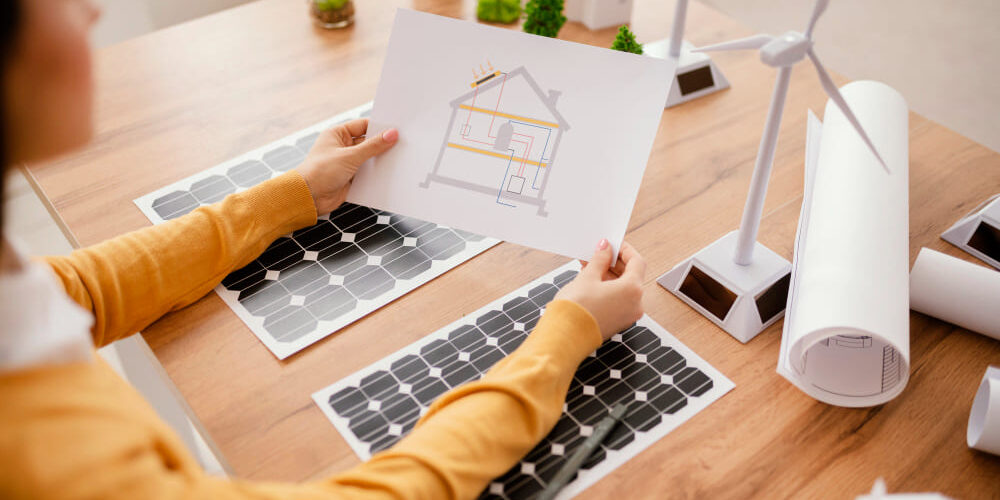
A solar panel attorney near me can help homeowners understand their legal options when a solar installation goes wrong. Most homeowners never imagine suing the company that put panels on their roof. Going solar usually starts with optimism: lower power bills, a smarter use of the desert sun, and a long-term investment in the home. When that investment turns into broken promises, rising payments, a leaking roof, or a company that stops answering the phone, the question shifts from how much you will save to whether you can hold anyone accountable. The short answer is yes. Homeowners in Nevada can sue solar companies, and many have valid claims they do not realize they have.
The harder questions are when a lawsuit makes sense, which company you should actually pursue, and what has to happen before a case is filed. If you have started searching for a solar panel attorney near me, you are likely weighing whether your problem is serious enough to involve a lawyer and whether the cost and effort will be worth it. This guide walks through the legal grounds Nevada homeowners commonly rely on, the hidden obstacles that can affect a case, and the signs that it is time to get legal advice. Our Solar Panel Litigation Attorney page explains how the firm represents Nevada homeowners in solar fraud, defective system, financing, and lien disputes.
Can You Actually Sue a Solar Panel Company in Nevada?
Yes. A solar company is a business bound by its contracts, its warranties, and the consumer protection laws of the state where it operates. When a company misrepresents what it is selling, fails to perform the work it promised, installs a system that damages your home, or ignores the disclosure rules Nevada imposes on solar sales, the homeowner may have a legal claim. Those claims can lead to repair costs, refunds, cancellation of the agreement, damages for losses, and in some cases recovery of attorney’s fees.
What surprises many homeowners is how specific Nevada law is about solar. The state has a dedicated set of rules for agreements to buy or lease rooftop systems and for power purchase agreements. Those rules require a prominent cover page with key terms, a verbal review of that information with the customer, which the company must record and keep, and a short cancellation window after signing. When a solar company knowingly ignores those requirements, Nevada law allows the homeowner to void the agreement and treats the violation as consumer fraud, which opens the door to a private lawsuit. In other words, solar customers are not left to rely only on general contract principles. The law gives them tools designed for exactly these disputes.
Find Out Whether Your Solar Problem Supports a Legal Claim
If your solar savings never materialized, your installer stopped responding, or your financing does not match what you were told, a review of your contract, cover page, and loan documents can show which claims may apply. Visit our Solar Panel Litigation Attorney page to learn how My Real Estate Lawyer helps Las Vegas homeowners evaluate and pursue solar disputes.
What Legal Claims Do Homeowners Bring Against Solar Companies?
Solar lawsuits rarely rest on a single theory. A typical case combines several claims because the facts usually involve the sale, the paperwork, the installation, and the financing all at once. Deceptive trade practice and consumer fraud claims are common when a salesperson inflated savings projections, misstated how tax incentives or utility rates work, hid the true cost of the financing, or pressured the homeowner into signing before reading the agreement. Breach of contract claims arise when the company fails to complete the work, misses commitments it made in writing, or delivers a system that does not match what the agreement describes.
Warranty claims focus on the equipment and the quality of the work. A manufacturer’s warranty may cover defective panels, inverters, or batteries, while the installer’s workmanship warranty typically covers roof penetrations, wiring, and mounting. Negligence claims may apply when poor installation causes property damage such as roof leaks or electrical problems. When the facts involve forged or unauthorized signatures, the claims can extend to fraud and unauthorized contracts. Nevada also allows enhanced remedies when an older or vulnerable person is financially exploited, which matters because door to door solar sales have frequently targeted retirees. An attorney’s job is to sort through the facts and find the combination of claims that gives the homeowner the strongest position.
Who Can You Sue When a Solar Project Goes Wrong?
One of the most important questions in any solar dispute is who is actually responsible. The company whose logo appeared on the salesperson’s shirt may not be the company that installed the system, and neither of them may be the company that financed it. Many residential solar projects involve a sales dealer, an installation contractor, subcontracted crews, an equipment manufacturer, and a lender or leasing company, each with its own contract and its own legal exposure. Pursuing only the most visible company can leave money on the table, especially if that company is struggling financially.
Lenders deserve particular attention. In some financing arrangements, consumer protection rules allow a borrower to raise claims against the lender that the borrower could have raised against the seller, and lenders that worked closely with a particular installer may face their own scrutiny over how loans were marketed and approved. Federal consumer regulators have publicly warned that solar loans can hide substantial dealer fees inside the loan balance, making the advertised price look lower than what borrowers truly pay. Equipment manufacturers, contractor bonds, and insurance carriers can also be sources of recovery. Identifying every potentially responsible party early is often the difference between a meaningful recovery and a judgment against a company that cannot pay.

What Hidden Obstacles Can Affect a Solar Lawsuit?
Many solar agreements include clauses that shape how and where a dispute can be resolved, and homeowners often do not notice them until a problem arises. Arbitration clauses are among the most common. They may require the homeowner to bring claims before a private arbitrator rather than a court, and they are frequently paired with waivers that prevent homeowners from joining class actions. These clauses are not always enforceable as written, and their scope can depend on how the agreement was formed, whether the homeowner actually agreed to the terms, and whether the claims involve parties that did not sign the agreement. Still, they influence strategy, cost, and timing, so they should be reviewed before any filing decision is made.
Other provisions can matter just as much. Some agreements limit the types of damages a homeowner can recover, require written notice of a defect within a set period, or require the homeowner to give the company a chance to repair before pursuing other remedies. Warranty terms may require use of authorized service providers or proof of regular system monitoring. Legal claims are also subject to filing deadlines, and the clock may begin running when the homeowner discovered or should have discovered the problem. Waiting for months while an installer promises a fix that never comes can quietly erode options that were available at the start.
Get Legal Advice Before You Sign a Release or Stop Paying
Solar companies and lenders sometimes offer partial refunds, repair deals, or modified payment plans that require you to waive your claims. Before you accept an offer or change how you pay, a review by a Nevada solar litigation attorney can help you understand what you would be giving up and whether a stronger path exists.
What Happens If the Solar Company Went Out of Business?
The residential solar industry has seen significant turmoil in recent years, with several well known installers, dealers, and even large solar lenders and leasing companies filing for bankruptcy protection or abruptly closing. For homeowners, that can mean an unfinished project, an unserviced system, a warranty with no one behind it, or confusion about who now owns the loan or lease. It is understandable to assume that a closed company means there is nothing left to pursue, but that assumption is often wrong.
When an installer closes, claims may still exist against the lender, the manufacturer, a sales company, or individuals involved in the transaction. Loans and leases are often transferred to new servicers, who take on obligations along with the payments. Bankruptcy proceedings have their own deadlines for filing claims, and the Nevada State Contractors Board offers a Residential Recovery Fund that may compensate qualifying homeowners harmed by a licensed contractor’s work on their residence. Anyone looking for a solar panel attorney near me after their installer disappeared should act quickly, because each of these paths has limits on timing and eligibility.
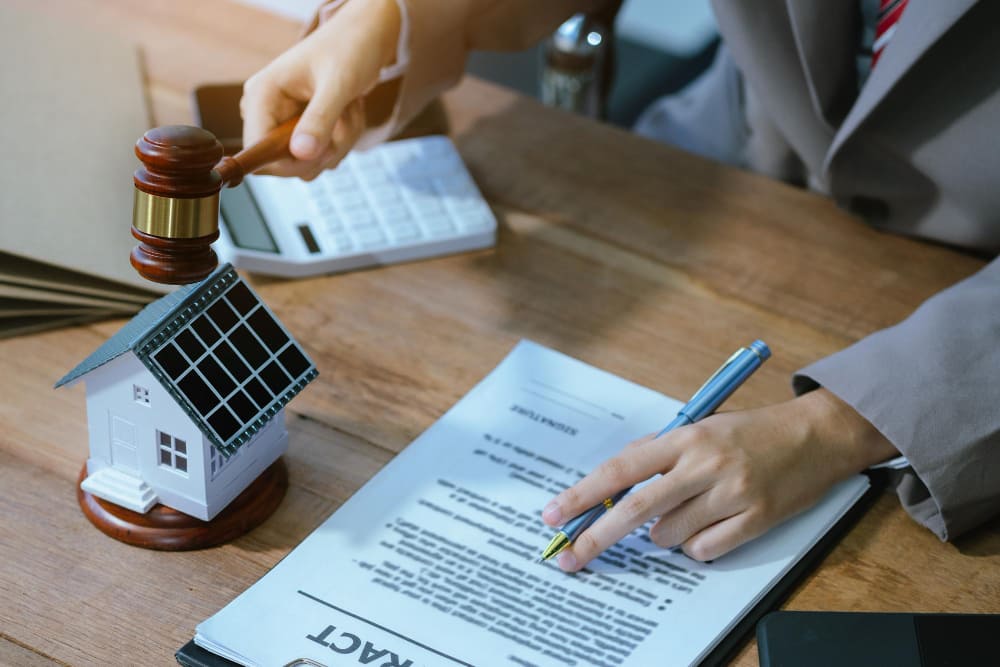
When Should You Contact a Solar Attorney?
Not every solar frustration requires a lawyer. A minor service delay or a single production dip may be resolved through a firm written request to the company. The situation changes when the problem involves significant money, damage to your home, your credit, your title, or a company that has stopped engaging in good faith. Homeowners should seriously consider legal advice when the system has produced far less than the proposal promised for an extended period, when the loan or lease terms differ from what the salesperson described, when a signature appears on documents the homeowner does not remember signing, or when an older family member signed an agreement under pressure or without understanding it.
Legal advice is also important when a lien or fixture filing appears on a title report, when roof damage has occurred and the installer denies responsibility, when the company has gone silent or closed, or when the company is offering a settlement or release that asks the homeowner to give up claims. For anyone researching a solar panel attorney near me after one of these events, the first step is usually a document review and a strategy discussion rather than an immediate lawsuit. That early review helps identify deadlines, contract clauses, and responsible parties before decisions are made that cannot be undone.
What Can You Recover in a Solar Panel Lawsuit?
The remedies available depend on the claims, the contract, and the facts, but homeowners commonly seek several types of relief. Cancellation or rescission of the agreement can unwind the transaction, especially when Nevada’s solar disclosure rules were violated or the contract was procured through fraud. Monetary damages may cover repair costs, roof and interior damage, the difference between promised and actual savings, payments made on a system that never worked, and other financial losses tied to the company’s conduct. Where a statute allows it, a homeowner may also recover attorney’s fees and costs, which can make pursuing a claim far more practical.
Some cases involve remedies that go beyond money. A homeowner may need a lien or fixture filing released so a sale or refinance can close, a loan restructured to reflect the terms that were actually promised, or a system removed and the roof restored. Cases involving the financial exploitation of older homeowners may support enhanced damages under Nevada law. The right outcome depends on what the homeowner needs most, whether that is getting out of the agreement entirely, keeping a working system at a fair cost, or clearing title for a pending sale.
Do Most Solar Disputes Go to Trial?
Most do not. Many solar disputes resolve after a well supported demand letter that identifies the specific contract terms, warranty obligations, and Nevada statutes the company violated. Companies and lenders often take a structured legal demand far more seriously than repeated phone calls from a frustrated customer, particularly when the demand shows that the homeowner understands the disclosure rules and the remedies the law provides. Negotiation can lead to repairs, refunds, loan adjustments, contract cancellation, or lien releases without the cost and delay of litigation.
Regulatory complaints can support this process. Nevada homeowners can file complaints with the Attorney General’s Bureau of Consumer Protection, the Public Utilities Commission of Nevada, and the Nevada State Contractors Board, which can investigate both licensed and unlicensed contractors. These complaints create an official record and sometimes prompt a response from a company that ignored the homeowner. When negotiation fails, a lawsuit or arbitration may be necessary, and a well documented file from the beginning puts the homeowner in a much stronger position.
How Should You Prepare Before Talking to a Solar Lawyer?
Preparation makes a first consultation far more productive and often shortens the time it takes to resolve a dispute. Start by collecting the complete solar agreement, including the cover page, any addendums, and the financing, lease, or power purchase agreement documents along with your payment history. Gather the sales proposal and savings estimate, marketing materials, and every text message, email, and note from conversations with the salesperson, installer, or lender. Those communications often contain the exact promises that later turned out to be false.
Next, assemble evidence of the problem itself. Utility bills from before and after installation, production data and error messages from the monitoring app, dated photos and videos of roof damage or incomplete work, and any written inspection from an independent roofer or electrician can all become important. Keep copies of permits, inspection notices, utility approval correspondence, title reports, and any notices from subcontractors or suppliers. Avoid altering or removing the system before it has been documented, and do not stop payments without legal advice, since default can create credit problems and complicate negotiations.
How Do You Choose the Right Solar Attorney?
Proximity has practical value, especially for site inspections, document review meetings, and court appearances in Clark County. The more important question is whether the attorney understands how solar disputes actually work. A strong solar lawyer should be familiar with Nevada’s solar disclosure and cancellation rules, deceptive trade practice claims, warranty enforcement, financing structures, and the arbitration clauses that appear in so many solar contracts. Ask how the firm typically approaches demand letters, regulatory complaints, and litigation, and who will actually handle your matter day to day.
Because so many solar problems eventually affect the home itself through liens, fixture filings, title defects, or a stalled sale, a real estate litigation background adds meaningful value. A firm that understands both consumer protection and property law can resolve the solar dispute and the title problem together instead of treating them as separate issues. Anyone comparing options after searching solar panel attorney near me should look for that combination of solar specific knowledge and real estate experience.
About Milan Chatterjee
This article was prepared by Milan Chatterjee, a Nevada and California licensed attorney and founder of My Real Estate Lawyer, a real estate law practice dedicated to protecting property owners, investors, landlords, homeowners, and businesses throughout Nevada.
Milan Chatterjee focuses on real estate litigation and disputes involving property purchases and sales, property transfers, quiet title actions, title disputes, boundary disputes, easements, foreclosure, landlord and tenant matters, and related real estate issues. He is a graduate of UCLA School of Law and NYU School of Law and previously served as Associate Compliance Counsel at Las Vegas Sands. He helps clients throughout Las Vegas, Reno, and other communities across Nevada.
Frequently Asked Questions
Possibly. If a salesperson materially misrepresented expected savings, tax incentives, or utility rates to induce the sale, the homeowner may have claims for deceptive trade practices, consumer fraud, and misrepresentation. The sales proposal, marketing materials, and written communications are key evidence for this type of claim.
Nevada law gives homeowners a short window after signing to cancel a solar purchase, lease, or power purchase agreement without penalty by written notice. After that window closes, an agreement may still be voidable if the solar company knowingly failed to provide required disclosures or keep the required recording of the verbal review, or if the contract was obtained through fraud.
An arbitration clause may require claims to be resolved before a private arbitrator instead of a court, but it does not eliminate the claims themselves. Whether the clause is enforceable and which parties it covers depends on the agreement and the facts, so it should be reviewed by an attorney before deciding how to proceed.
In some situations, yes. Depending on the financing structure and the relationship between the lender and the installer, a homeowner may be able to raise claims against the lender or use the installer’s misconduct as a defense to the loan. An attorney can review the loan documents to determine what options exist.
Bankruptcy limits claims against the bankrupt company but does not always end your options. Claims may remain against lenders, manufacturers, sales companies, or new loan servicers, and qualifying homeowners may be eligible for the Nevada State Contractors Board Residential Recovery Fund if the contractor was licensed. Bankruptcy claim deadlines also apply, so prompt action matters.
Filing deadlines depend on the type of claim, such as fraud, breach of contract, or breach of warranty, and some deadlines begin when the problem was discovered. Contracts and warranties may also impose their own notice requirements. Speaking with an attorney early helps ensure no deadline is missed.
Not necessarily. Many solar disputes resolve through a demand letter, negotiation, or regulatory complaints. Litigation or arbitration becomes necessary when the company refuses to address the problem fairly, and a well documented file improves the chances of a favorable outcome either way.
Talk to a Las Vegas Solar Litigation Attorney About Your Options
Conclusion
Homeowners can sue solar panel companies, and Nevada law gives them more protection than many people expect. Deceptive sales practices, missing disclosures, defective installations, abandoned projects, hidden financing costs, and solar liens can all support legal claims, and those claims may reach the installer, the sales company, the lender, the manufacturer, and others involved in the transaction. The real challenge is not whether a claim exists, but identifying the right parties, working around contract clauses such as arbitration provisions, and acting before deadlines quietly close the door.
The best time to get advice is before you sign a release, stop paying, remove the system, or let months pass waiting on promises. Careful documentation and an early legal review can turn a frustrating situation into a clear plan, whether that means a negotiated resolution, a regulatory complaint, or a lawsuit that holds the responsible companies accountable.

Get Immediate Legal Help
Free, confidential. We respond within minutes.
Related Blogs
